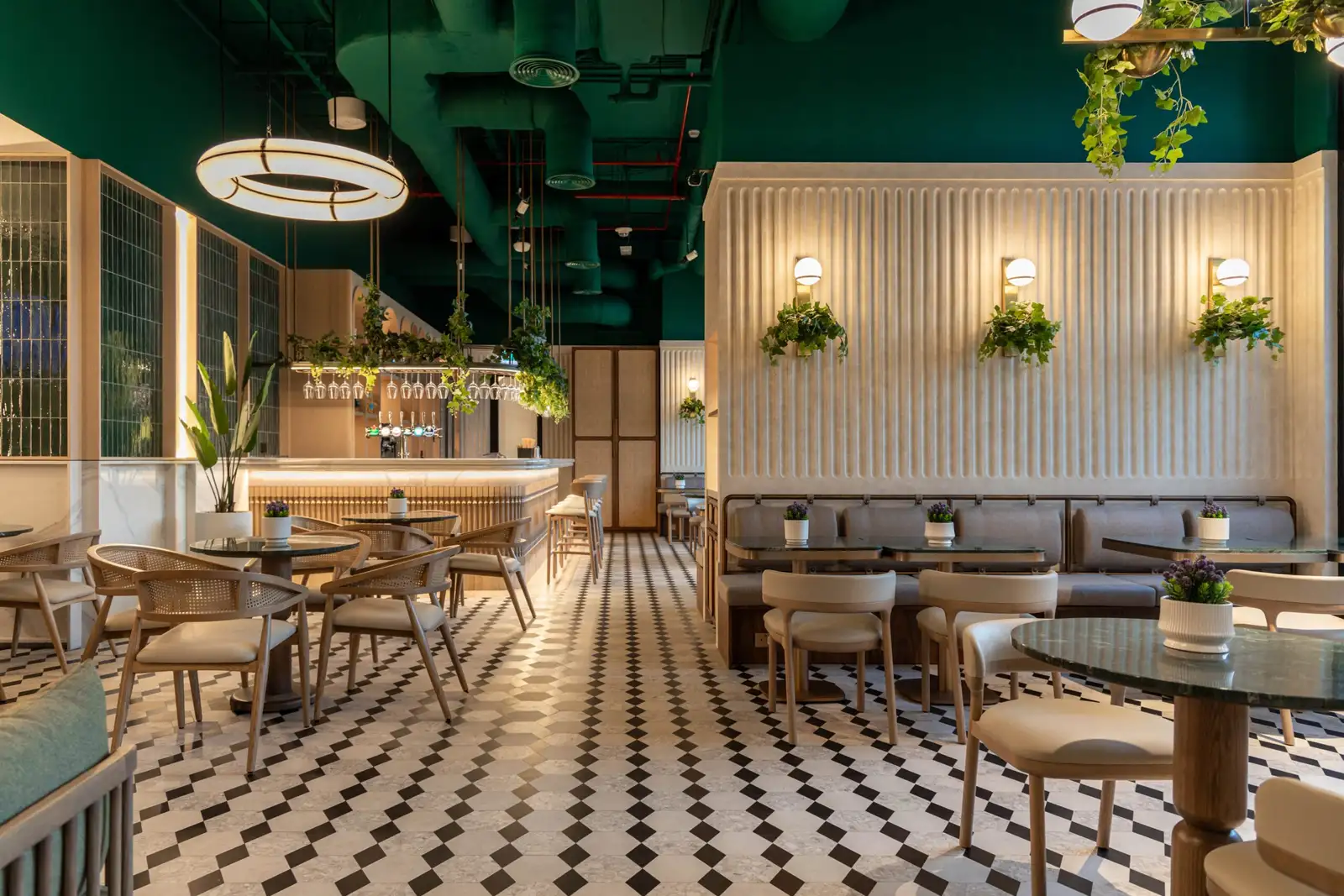
Interior restaurant lighting design isn’t just about making a space visible, it’s about shaping the entire dining experience. From the moment guests walk in, lighting sets the mood, guides attention, and creates an emotional connection with the place.
Not too long ago, lighting in restaurants was treated as a secondary detail, today, it plays a central role in how customers perceive the space, this shift has changed the way designers approach every corner of a restaurant.
In many cases, the first impression begins with lighting, a softly lit entrance can feel inviting, a harsh one can feel uncomfortable. For example, warm lighting often creates a sense of intimacy, this is why many fine dining spaces rely on it, it encourages guests to relax and stay longer.
At the same time, brighter lighting has its own purpose, interior restaurant lighting design is not only about aesthetics, it also affects functionality, staff need clear visibility to work efficiently and safely. lighting helps define the brand identity, a modern restaurant might use clean, focused lighting, a cozy café might lean toward softer, diffused tones.
Over time, designers have started to layer lighting, they combine ambient, task, and accent lighting. Ultimately, interior restaurant lighting design is about balance, not too bright. Not too dim. Just right for the experience the restaurant wants to deliver.
Why Lighting Is Crucial in Restaurant Interior Design
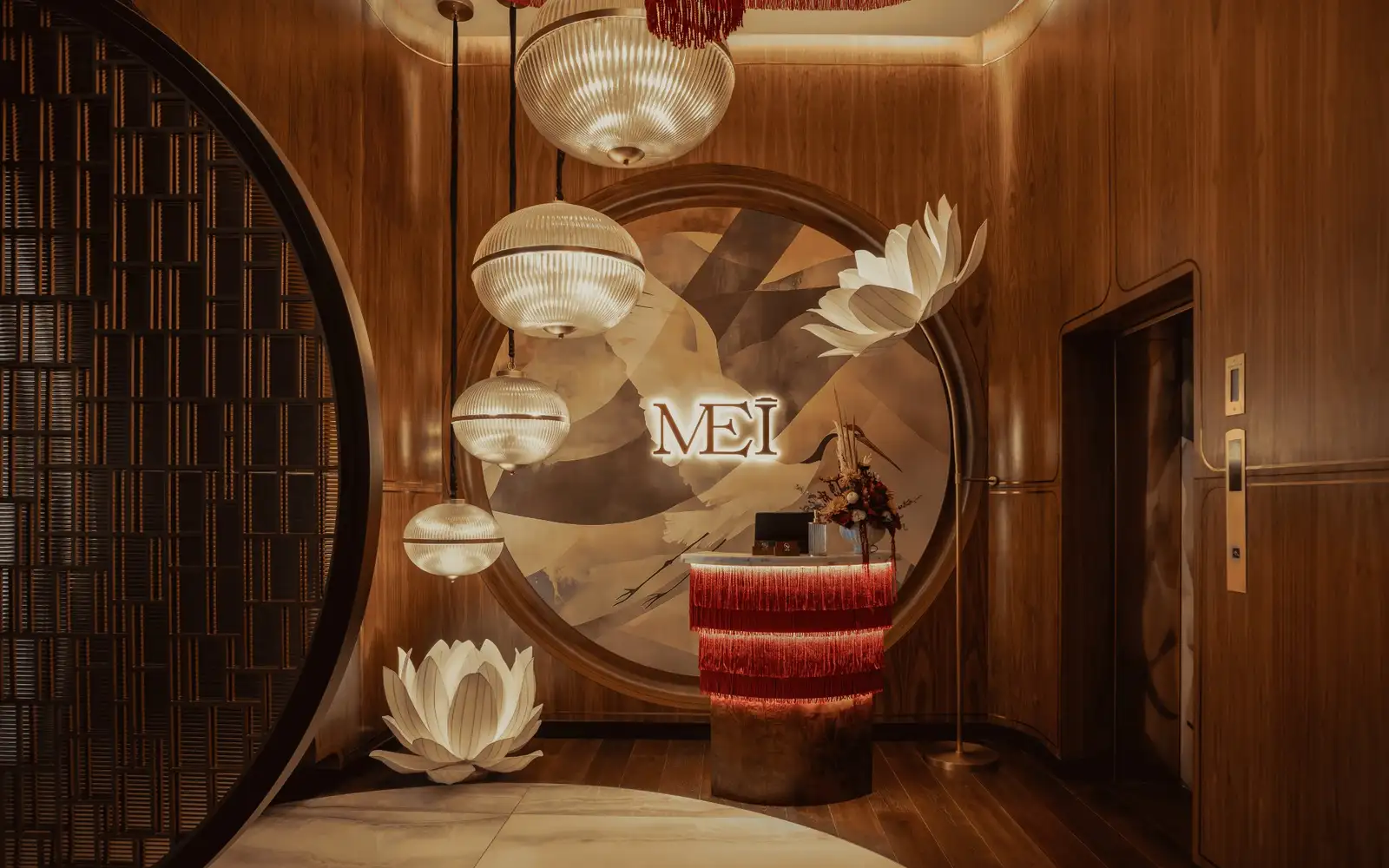
Lighting inside a restaurant isn’t just there so people can see, it does much more than that, In fact, when you think about interior restaurant lighting, it’s often the first thing people feel before they even notice the design itself.
From the moment a guest steps in, the atmosphere starts forming instantly, their mood shifts. Their expectations build, even the way they look at the food changes, and that’s not a coincidence.
A well-balanced lighting restaurant design can take a very simple space and turn it into something people actually remember after they leave, it might sound subtle, but it makes a real difference.
Whether the concept leans more toward a relaxed café or something rooted in modern luxury interior design, lighting quietly does the heavy lifting in the background, you won’t always notice it directly. But you definitely feel it.
That’s exactly why any experienced interior design company in Dubai treats lighting as a core part of the design, not just a finishing detail. Because without it, even the best-designed spaces can feel… incomplete.
Also read: The Evolution of Interior Design in Saudi Arabia
How Lighting Affects Customer Behavior
Not too long ago, lighting was something restaurants added at the end. Almost like a final touch.
Now? It’s one of the first things considered.
In many cases, how lighting affects restaurant ambiance goes far beyond how the place looks. It changes how people feel.
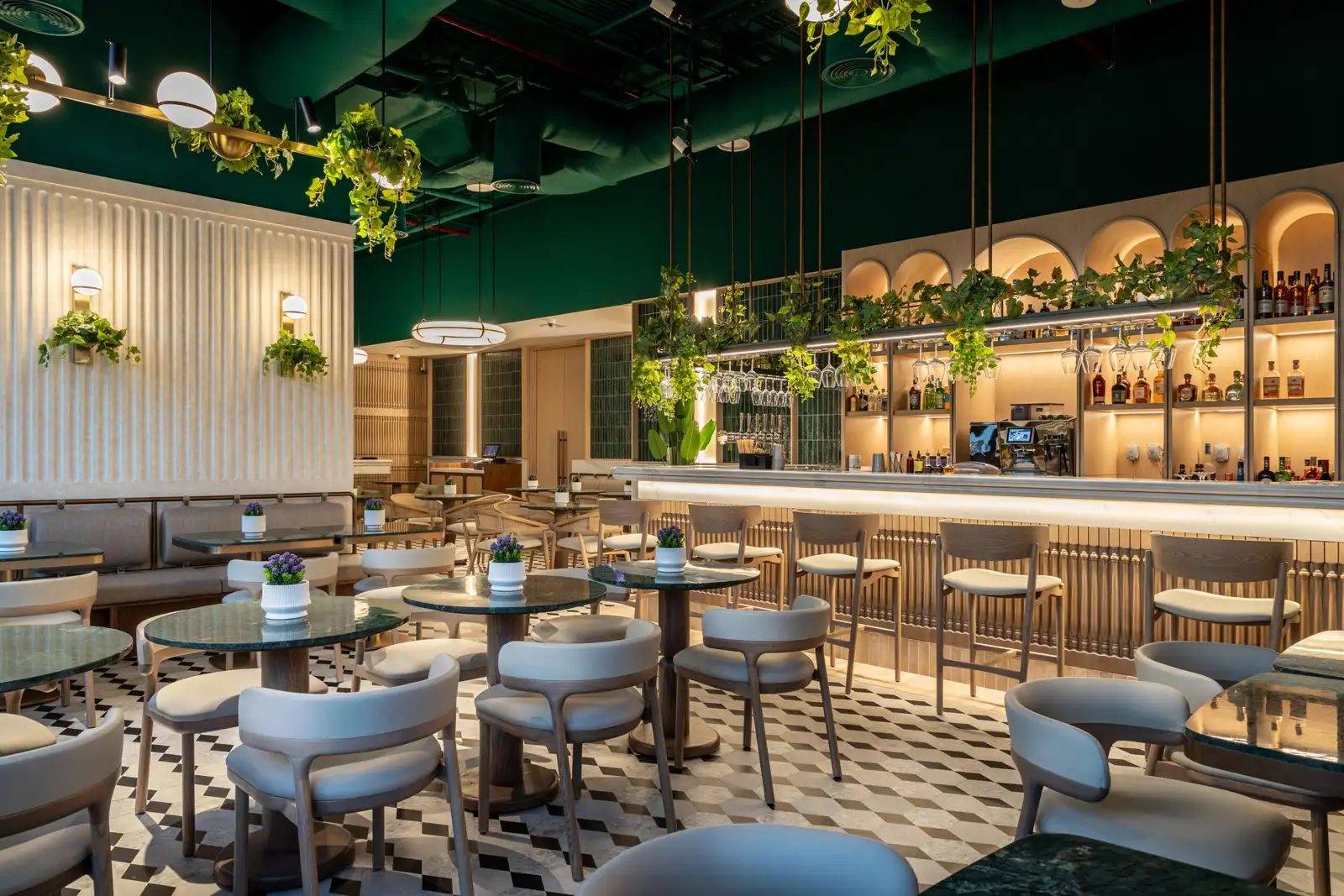
For example, softer restaurant interior lighting tends to slow people down. They stay longer. They order more.
At the same time, brighter lighting creates a completely different rhythm, faster decisions, quicker exits.
And honestly, that shift isn’t random.
Most experienced interior design companies in Abu Dhabi design lighting with behavior in mind, not just aesthetics.
Also read: 4Space Expands Its Creative Design Services to Abu Dhabi, Riyadh, and Saudi Arabia
Choosing the Right Lighting Temperature
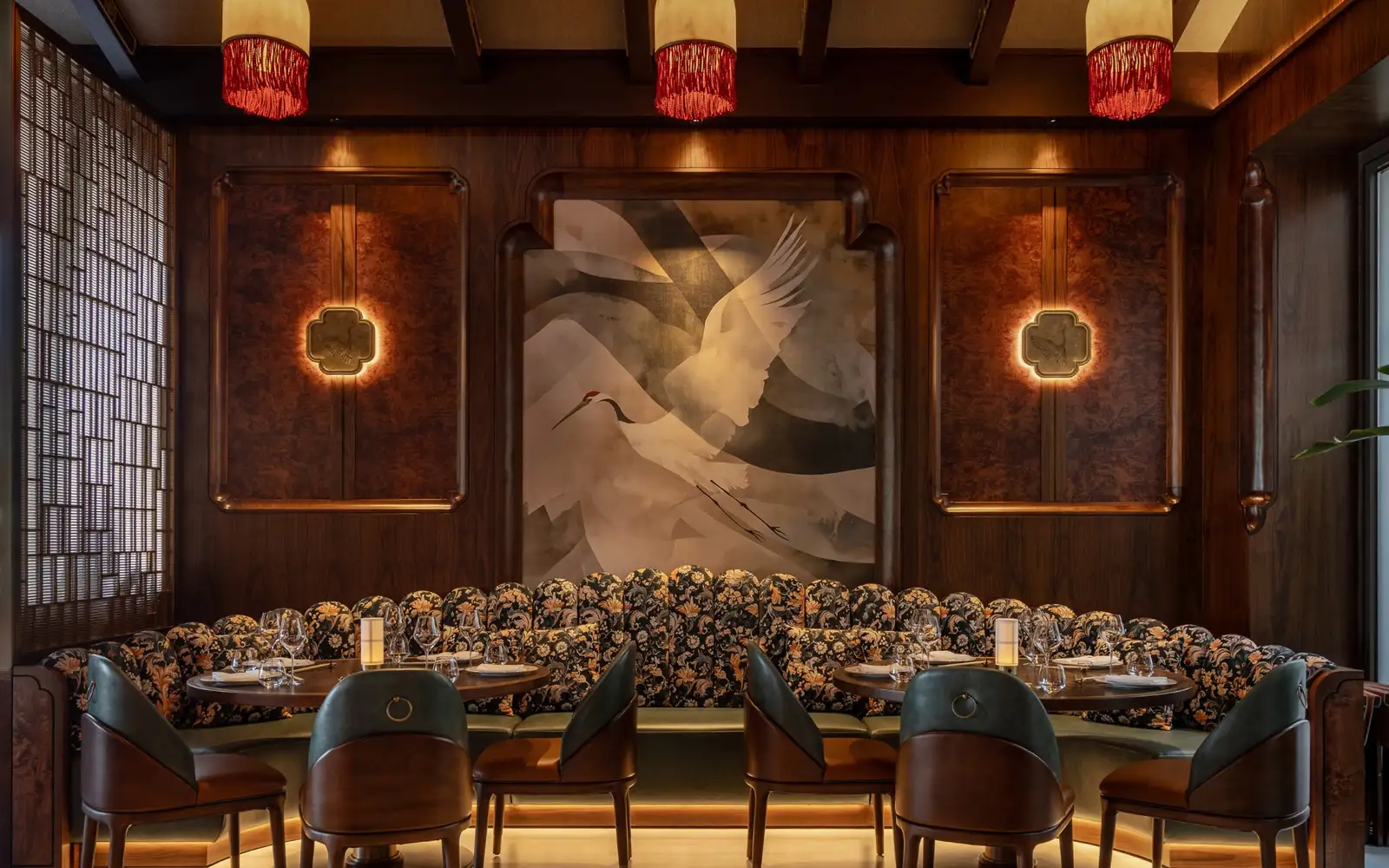
A few years back, color temperature wasn’t always part of the early design conversation. Now, it’s one of the first decisions on the table, because it changes everything, warm tones instantly create comfort. That’s why they’re often used in spaces inspired by modern luxury interior design, they feel inviting without trying too hard.
Cooler tones, though, bring a different energy. Cleaner. Sharper. More aligned with Modern contemporary interior design.
In many cases, the wrong temperature can throw off the entire experience, even if everything else is done right. That’s where following proper restaurant lighting standards and recommendations really matters. And it’s something any serious interior design company in Dubai pays close attention to.
Also read: The Environmental Psychology in Interior Design
Layered Lighting: The Secret to Balanced Restaurant Design
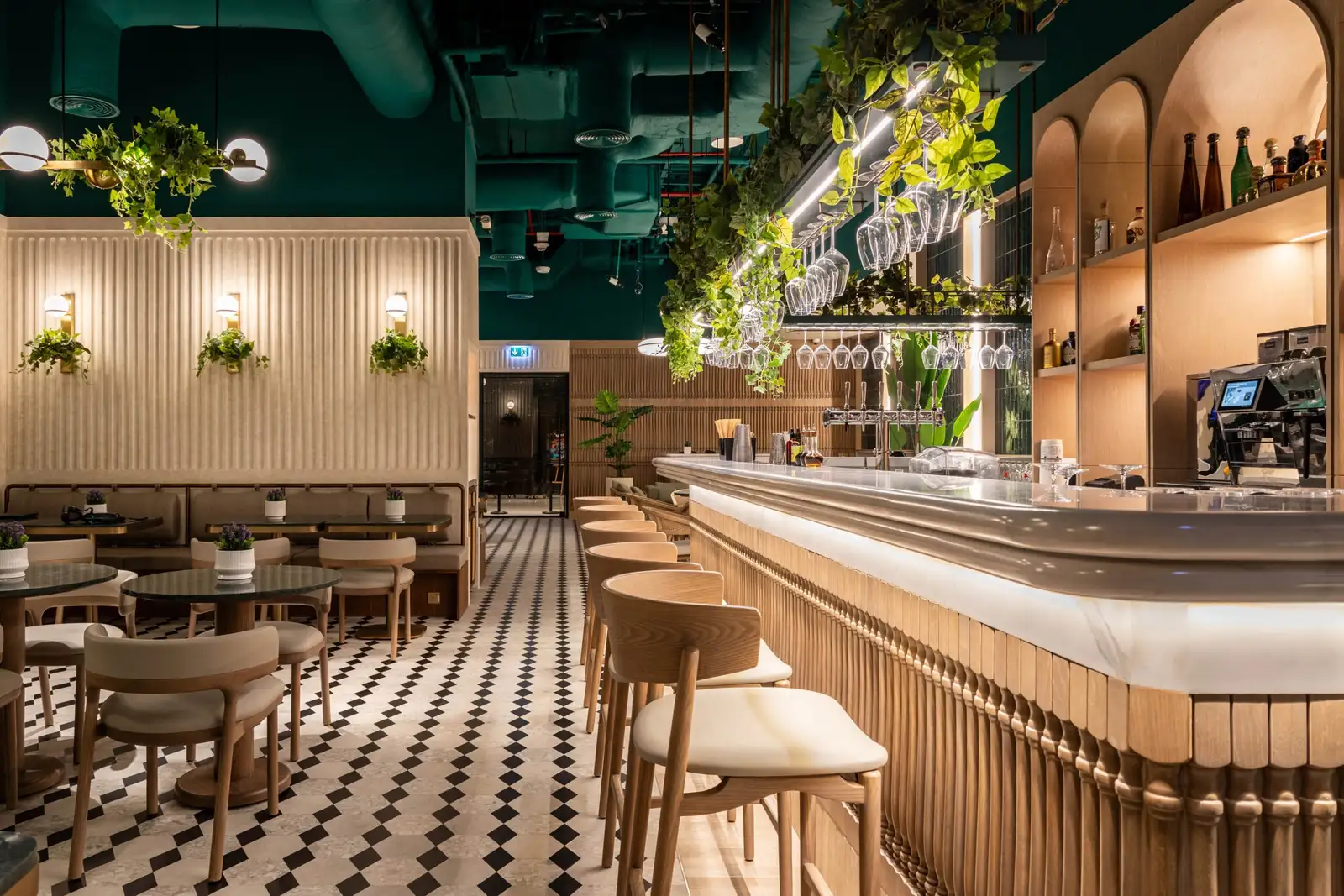
Walk into a well-designed restaurant and you’ll notice something interesting. Nothing feels off. Not too bright. Not too dim.
That balance doesn’t happen by accident. It usually comes from layered lighting in restaurant design which, simply put, means using more than one type of lighting at the same time.
Ambient lighting sets the overall mood. Task lighting helps in functional areas. Accent lighting adds depth and highlights details.
Individually, each one does its job.
Together, they create a complete lighting restaurant design that just feels right.
Also read: How to Choose the Right Interior Designer in Dubai
Using Lighting to Highlight Interior Design Features
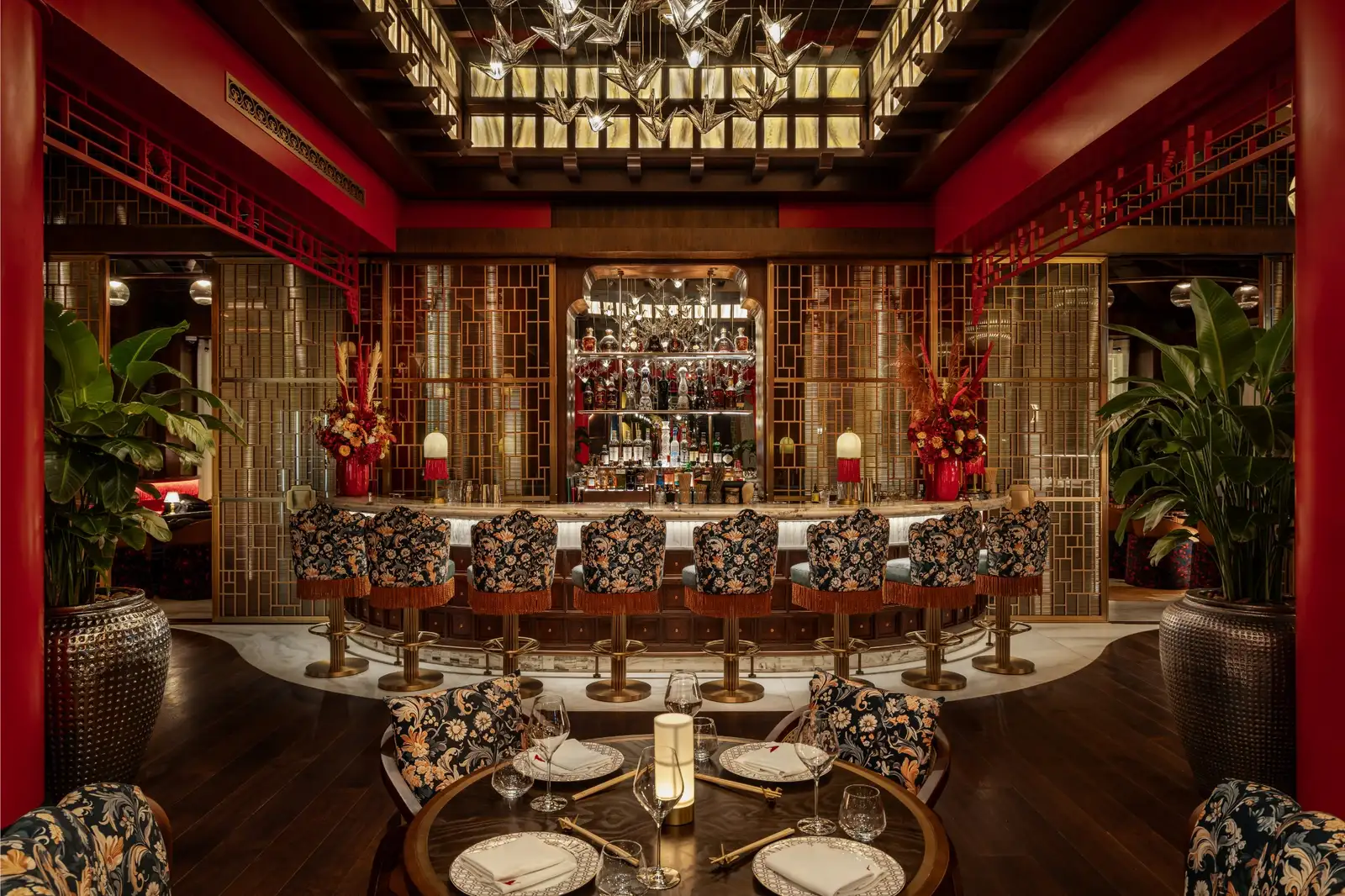
Sometimes, the best parts of a design go unnoticed. Unless lighting brings them forward. In many cases, carefully placed restaurant interior lighting can completely change how a space is perceived. A textured wall suddenly stands out. An artwork becomes a focal point. Even simple materials start to feel more premium.
This can be clearly seen in projects such as MEI and Moli by Shi, where lighting features are not treated as decorative extras. They are used to shape the mood, highlight interior details, and give each space its own visual identity. but here’s the catch. It’s very easy to get it wrong. Over-lighting can flatten everything. Under-lighting hides the details.
These are some of the most common restaurant lighting mistakes to avoid and they can quietly ruin an otherwise great design. That’s why any skilled interior design company in Abu Dhabi treats lighting as part of the concept, not an afterthought.
Also read: Smart Home Design for Ultra-Luxury Penthouses
Energy-Efficient Lighting Solutions for Restaurants
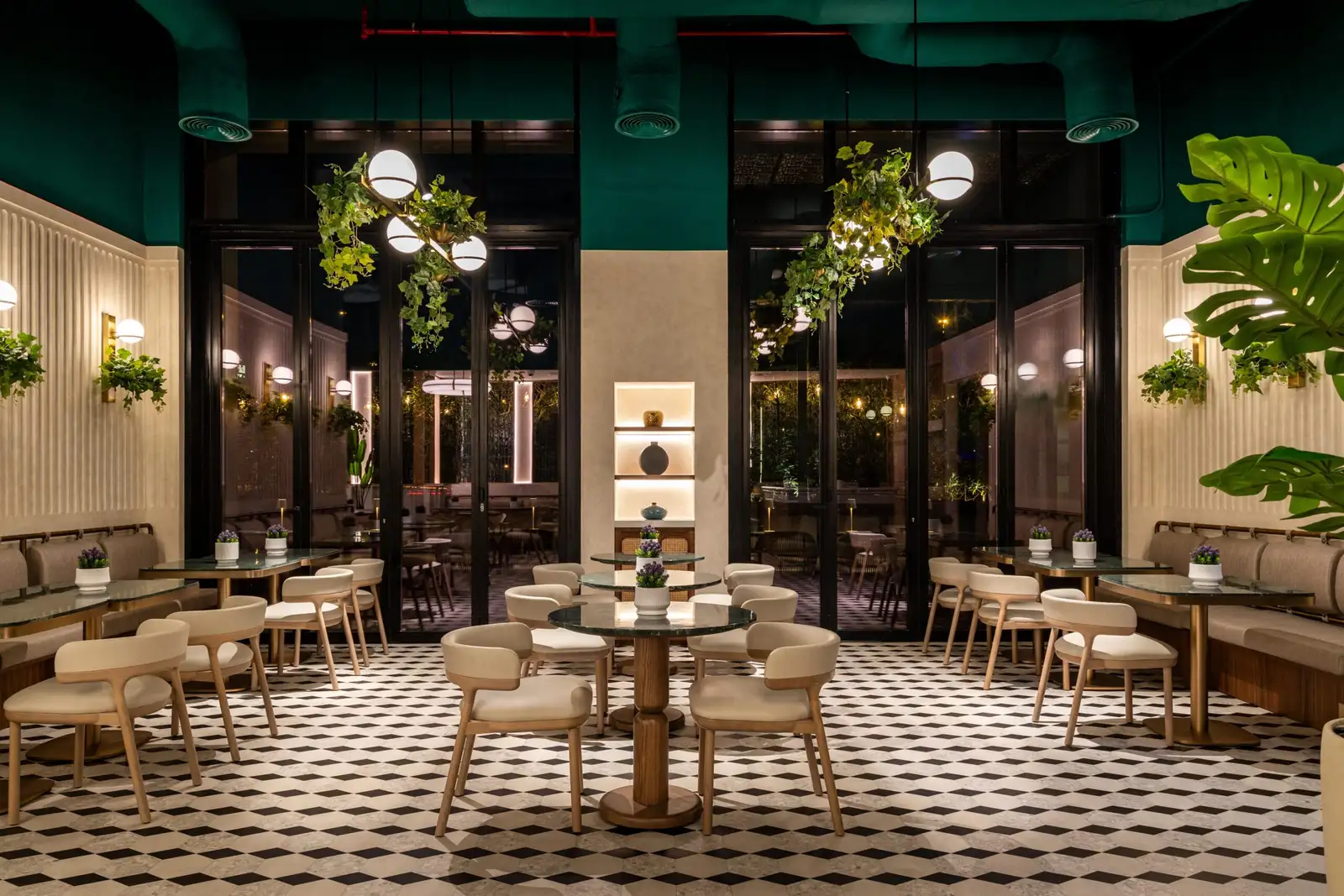
These days, design isn’t just about how things look. It’s also about how they perform and that includes energy.
More restaurants are now shifting toward energy-efficient lighting for restaurants. Not just to reduce costs, but to stay aligned with modern expectations. LED systems, smart controls, and automated dimming are becoming standard. In many cases, they’re planned from the very beginning by leading interior design companies in Dubai.
What’s more, efficient lighting doesn’t mean compromising on quality. You still get the same atmosphere. Just smarter. And more sustainable.
Also read: Luxury Restaurant Interior Design Trends in Dubai
Future Trends in Restaurant Lighting Design
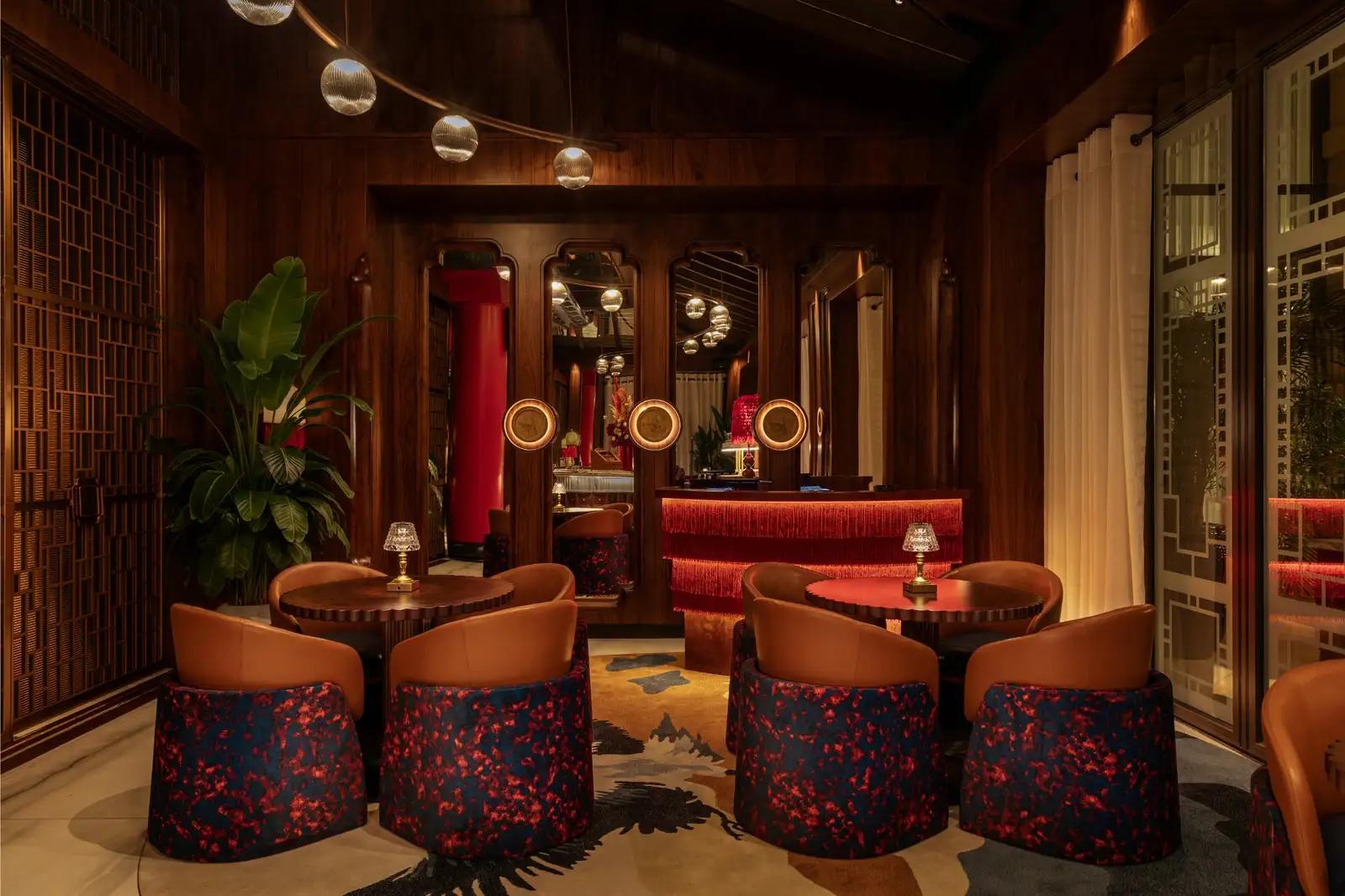
If you look at where things are going, lighting is becoming more flexible than ever. Less fixed. More responsive. In many modern concepts, lighting restaurant design is no longer static. It changes throughout the day. For example, the same space can feel bright and energetic during lunch…
Then shift into something softer and more intimate by dinner. At the same time, technology is playing a bigger role. Especially in projects inspired by Modern contemporary interior design. Smart systems. Adaptive lighting. Even interactive elements, this is where many interior design companies in Abu Dhabi are focusing right now. Creating spaces that evolve, not just exist.
Also read: Top Interior Design Trends in UAE
Conclusion
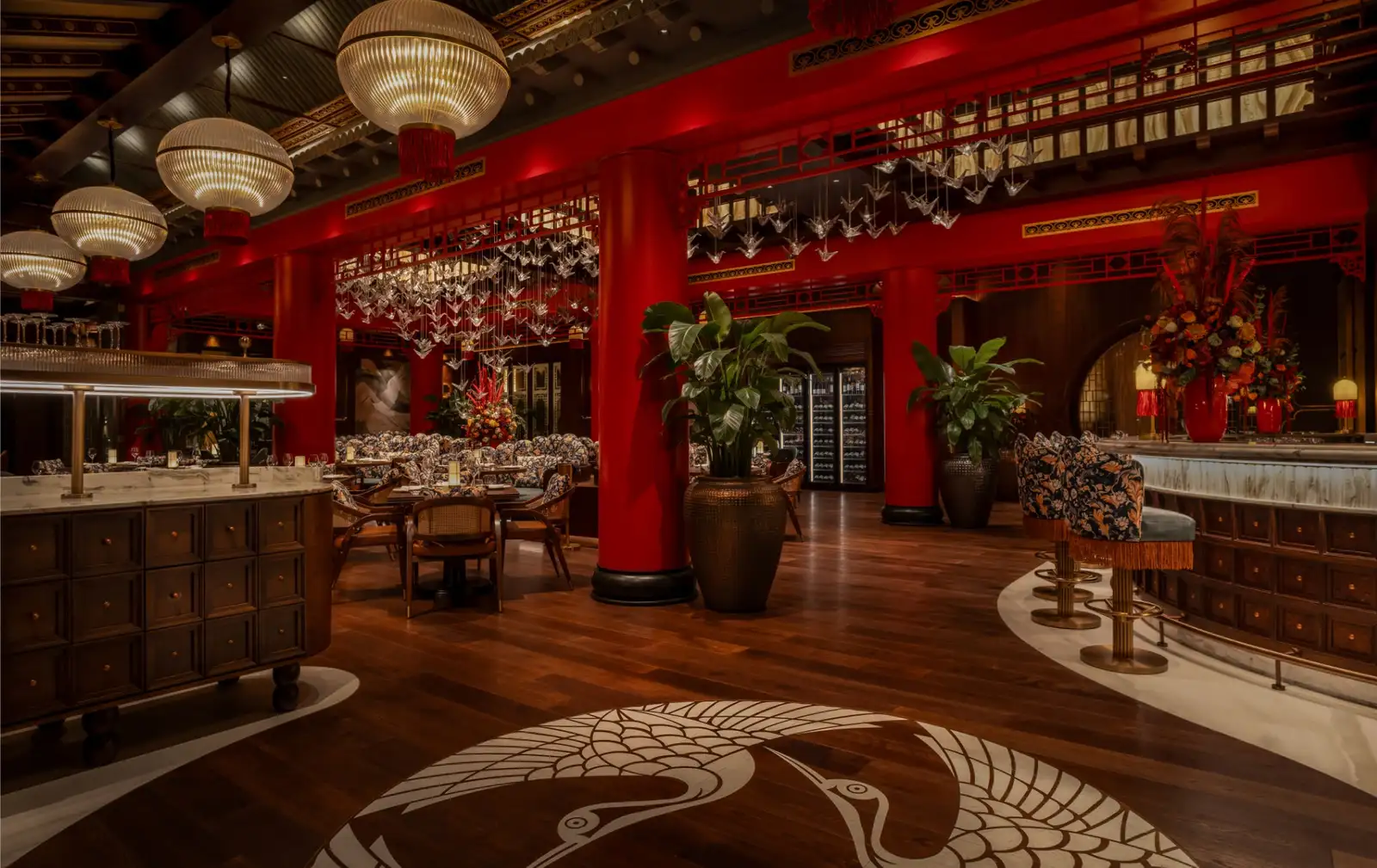
At the end of the day, lighting isn’t something people always notice directly. But they always feel it. It shapes the mood. Guides the experience. And, in many ways, defines whether a place is memorable or forgettable. So if you’re thinking about upgrading your space or starting from scratch, interior restaurant lighting shouldn’t be an afterthought. It should be part of the foundation.
If you’re ready to take that step, it might be time to Contact our interior design experts. Work with professionals who understand how to balance creativity with strategy, whether through top interior design companies in Abu Dhabi or a leading interior design company in Dubai because great design is seen. But great lighting is felt.
| Aspect | Pros | Cons |
| Interior Lighting | Sets mood quickly | Poor lighting hurts experience |
| Restaurant Lighting Design | Guides customer behavior | Bad design = mistakes |
| Layered Lighting | Adds depth & balance | Complex to plan |
| Lighting Temperature | Defines atmosphere | Wrong temp ruins mood |
FAQs
1. Why is lighting important in restaurant interior design?
Lighting is crucial because it sets the mood and defines the atmosphere of a restaurant. Good interior restaurant lighting highlights design features, enhances textures, and creates a welcoming environment. Even a beautifully designed space can feel flat without proper lighting.
2. How does lighting affect the dining experience?
Lighting directly influences how customers feel. Soft restaurant interior lighting can make diners relax and enjoy longer meals, while bright lighting encourages faster turnover. In many cases, it also affects how food looks, making dishes appear more appealing.
3. Can lighting increase restaurant sales?
Yes. Strategic lighting restaurant design can impact customer behavior. For example, comfortable, well-lit areas can encourage guests to stay longer, order more, and return frequently. Essentially, lighting isn’t just decoration, it’s a subtle sales tool.
4. What is layered lighting in restaurant design?
Layered lighting in restaurant design is the combination of ambient, task, and accent lighting. Ambient sets the mood, task ensures functionality, and accent highlights design features. Together, they create balance and depth, making the restaurant feel intentional and comfortable.
5. Are LED lights good for restaurant lighting design?
Absolutely. Energy-efficient lighting for restaurants, like LEDs, saves costs and supports sustainability without compromising ambiance. They’re flexible, durable, and easy to integrate into both modern luxury interior design and Modern contemporary interior design concepts.