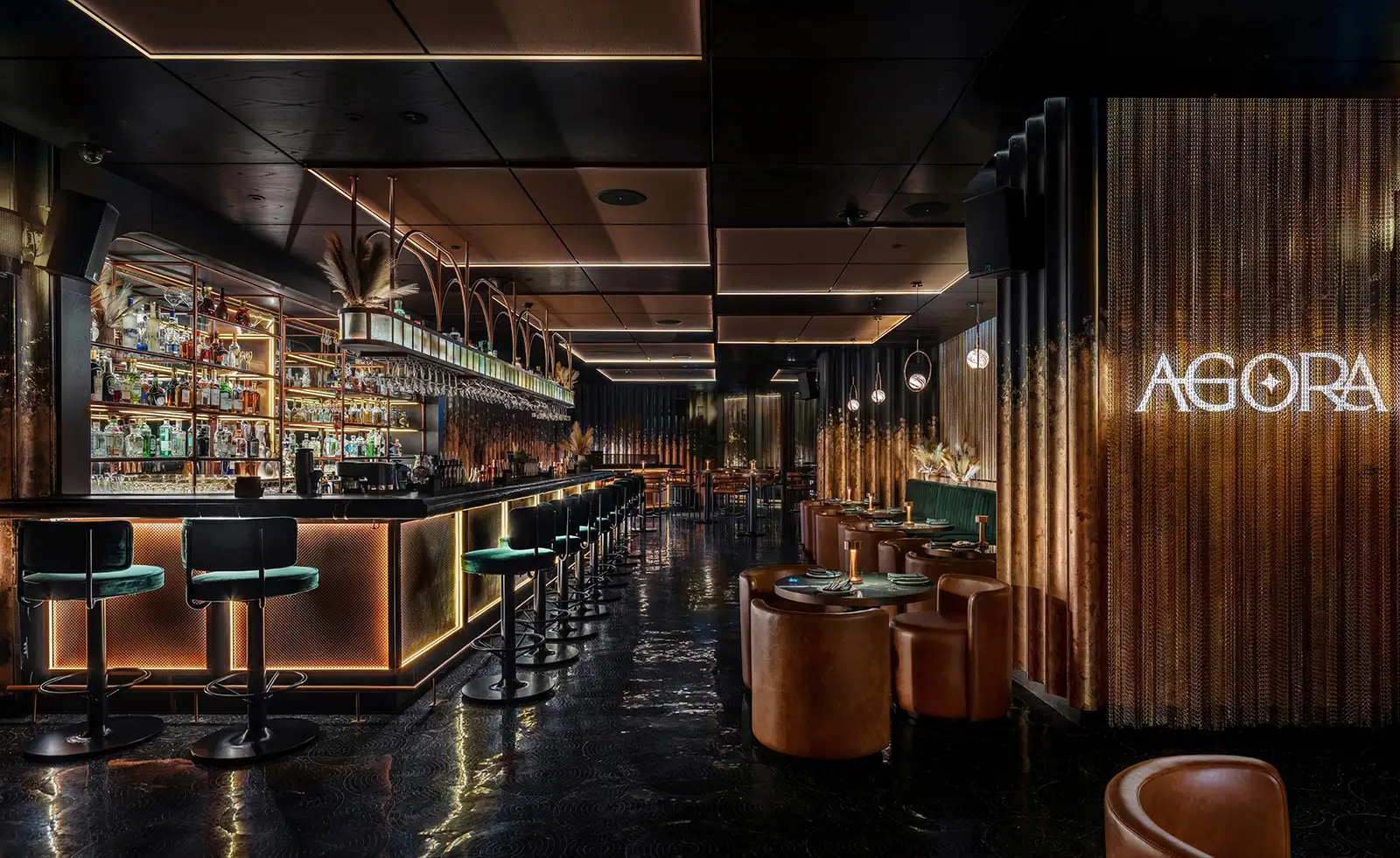
.Not long ago, interiors were designed mainly for aesthetics. Environmental psychology in interior design has changed that perspective entirely.
Today, designers focus not just on looks but on how spaces make people feel. Over the past few years, people have started paying more attention to their mental and emotional well-being. Environmental psychology in interior design helps create spaces that reduce stress and increase comfort. For example, natural lighting and color choices can dramatically affect mood.
In many cases, open layouts encourage collaboration and social interaction. At the same time, private areas provide calm for focus and reflection. This balance is exactly what environmental psychology in interior design aims to achieve.
What Is Environmental Psychology in Interior Design?
A few years back, most people didn’t think about how a room could change their mood. Nowadays, environmental psychology in interior design is shaping the way designers plan every corner. In many situations, environmental psychology and interior design guide choices that balance comfort and aesthetics.
For instance, 4SPACE Design has been experimenting with layouts in 4SPACE interior design projects to create spaces that feel alive yet relaxing. At the same time, choosing the right interior design company in Dubai or interior design company in Abu Dhabi makes a huge difference in results.
How Interior Spaces Influence Human Behavior
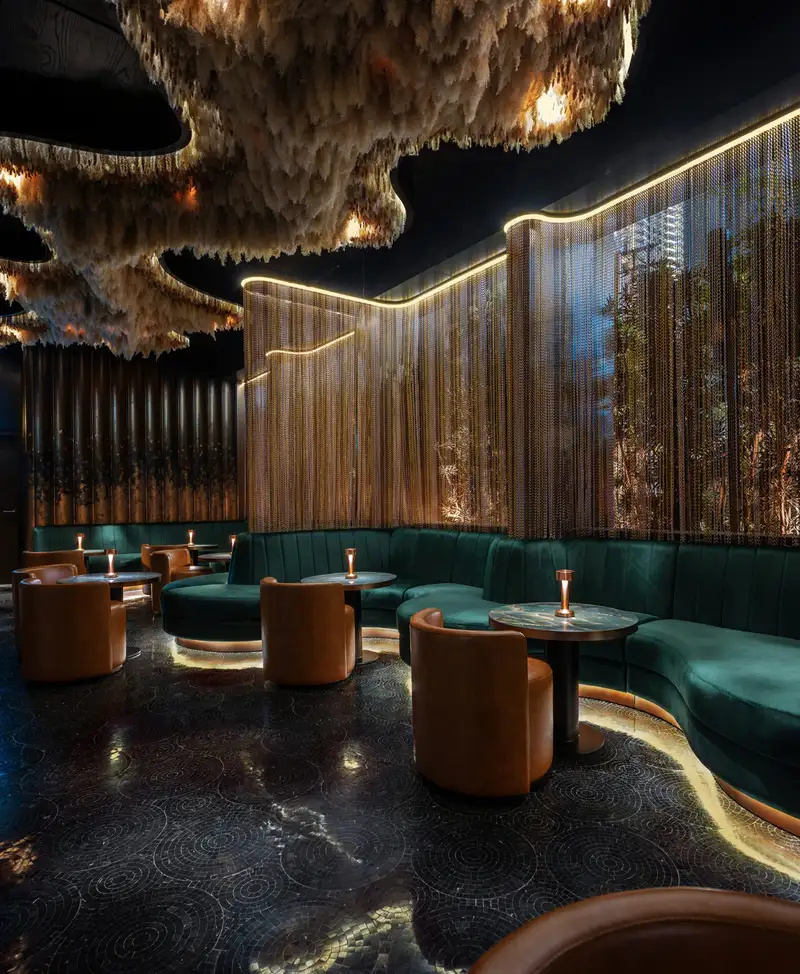
Not long ago, no one thought a room could actually change how you feel. Interior design psychology shows that even small choices like where furniture sits or how light enters can make a big difference. People naturally react to colors, textures, and layouts without even noticing it. For example, interior design services sometimes add plants, rearrange seating, or tweak lighting to make spaces feel calmer and more inviting. At the same time, working with a trusted Architectural Design Company ensures these ideas are applied thoughtfully in every project.
The Key Principles of Environmental Psychology in Design
Back then, design focused mostly on visual appeal. Now, environmental psychology principles in design emphasize human experience first. Interior design psychology looks at how people interact with spaces, textures, and layouts. At the same time, 4SPACE Design applies these principles in 4SPACE interior design projects, making rooms functional, comfortable, and inspiring.
In many cases, working with a professional interior design company in Dubai guarantees that your space is both beautiful and psychologically supportive.
Read also: Eco-Friendly Interior Design Solutions in Dubai
The Role of Color Psychology in Interior Spaces
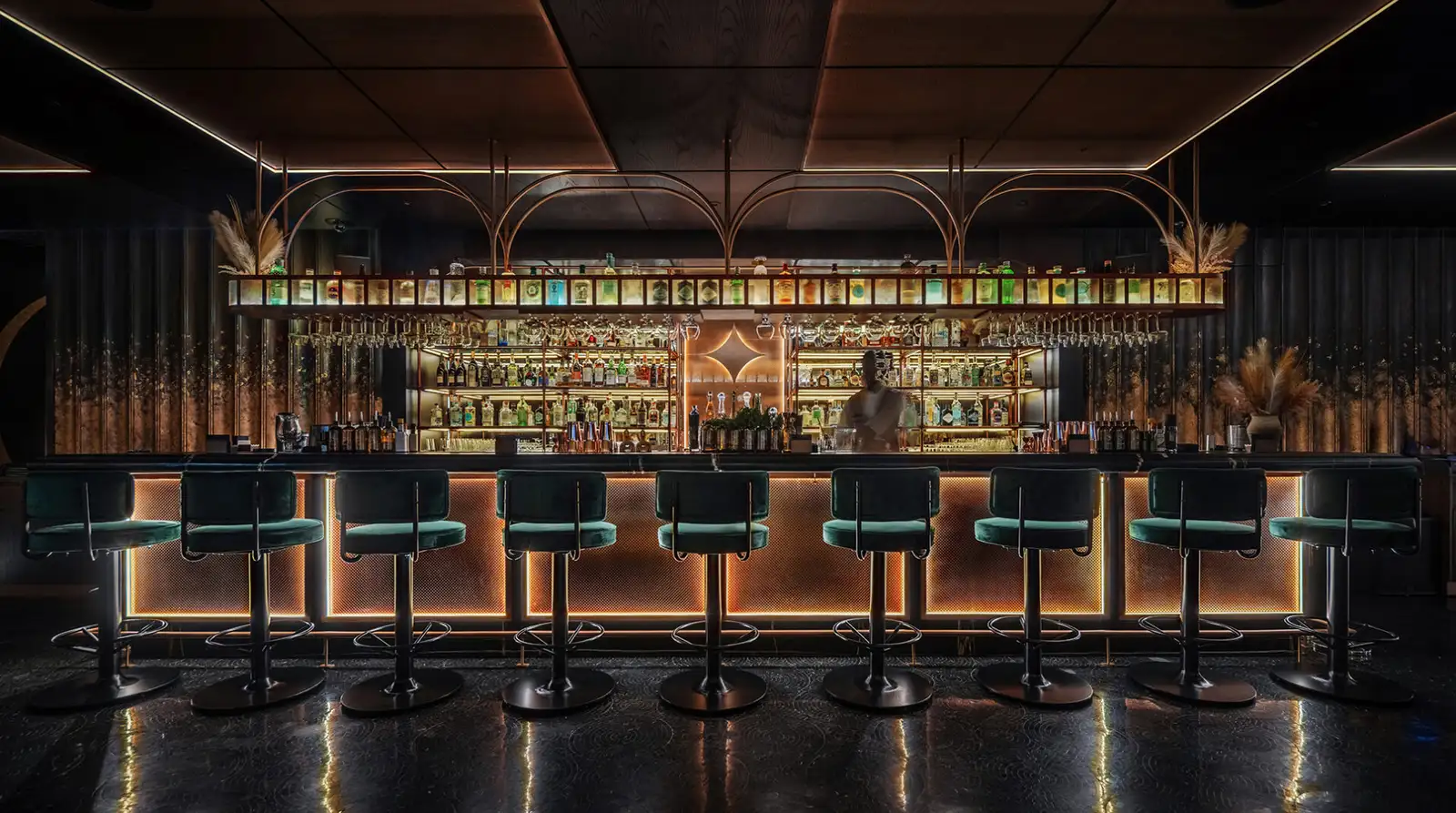
Colors influence mood more than we realize. Interior design psychology uses warm tones to energize and cool shades to relax. For instance, environmental psychology and interior design helps designers choose colors that match the function of each room. In many situations, interior design services combine tones carefully to guide focus, calm, or creativity.
Read also: Proven 7 Steps of the Residential Interior Design Process
Lighting and Its Psychological Impact
Interior design psychology considers both daylight and artificial lighting to boost comfort and productivity. In reality, environmental psychology interior design examines how shadows, brightness, and placement affect mood. For example, 4SPACE Design integrates lighting strategies in 4SPACE interior design projects to help occupants feel awake or relaxed at the right times. At the same time, collaborating with an Architectural Design Company ensures lighting works seamlessly with the rest of the design.
Read also: Fusion Interior Design in Abu Dhabi
Biophilic Design and Human Well-Being
Being around nature just makes people feel calmer. Environmental psychology and interior design often suggest adding plants, letting in sunlight, or using natural textures. Even a small plant on a desk or a wooden shelf can completely change how a room feels. For example, interior design and psychology show that seeing greenery or natural light can lift mood and spark creativity.
Many interior design companies in Abu Dhabi and Dubai include these ideas in their interior design services to make homes and offices more inviting. Plus, bringing nature inside doesn’t have to be expensive it can quietly reduce stress and make spaces feel more comfortable.
Read also: Exploring Unique Design Concepts
Designing for Comfort and Well-Being
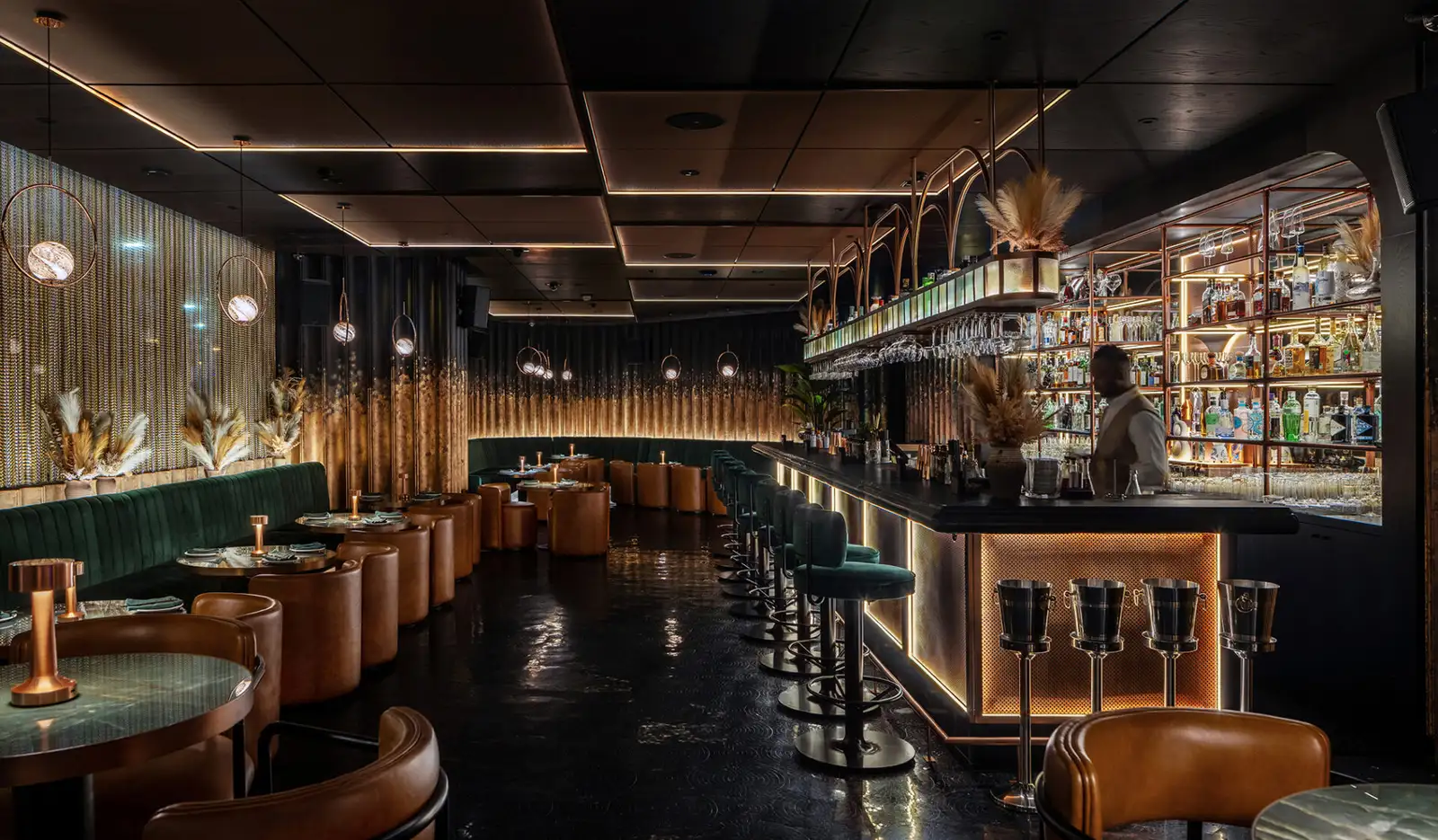
It’s funny how comfort isn’t just about picking the right chair or sofa. Interior design psychology is really about how a space feels when you walk in. Sometimes, just moving a lamp or opening a window makes a huge difference.
Take 4SPACE Design, for example they tweak layouts in their 4SPACE interior design projects so rooms feel cozy and calm, not just pretty. And honestly, working with a good interior design company in Dubai means someone actually thinks about how you’ll experience every corner.
Read also: Residential vs Commercial Interior Design
Future Trends in Psychology-Driven Interior Design
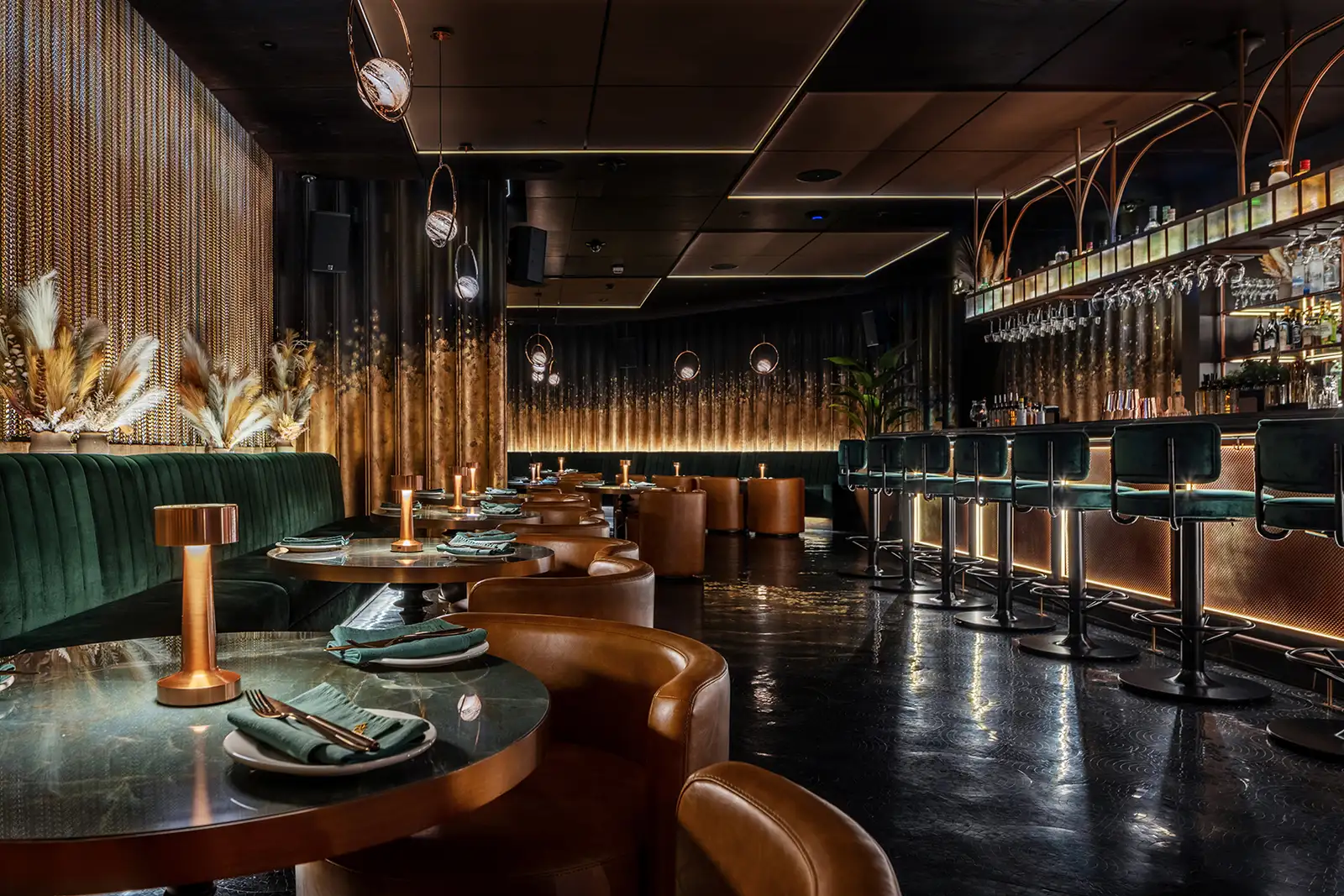
Recently, spaces are becoming smarter and more responsive. Interior design and psychology are now combined with technology to adapt environments to people’s needs in real time. For instance, environmental psychology in workplace design includes sensors that adjust light or temperature based on occupancy and mood.
In many cases, interior design services are using data to craft spaces that feel intuitive, comfortable, and inspiring. What’s more, working with an innovative Architectural Design Company guarantees your project stays ahead of design trends while remaining people-focused.
Read also: The Role of interior restaurant lighting design
Conclusion
In the end, the way a space is designed really shapes how we feel and act. Understanding how interior design affects human behavior can make your home or office not just beautiful, but truly comfortable and inspiring.
Every small detail counts from the light that fills a room to the layout of your furniture. Start your project now and see how thoughtful design can change the way you live and work.
| Keywords Used | Key Idea | Section |
| none | Spaces influence mood and comfort | Introduction |
| how interior design affects human behavior | Layout, color, and light shape behavior | How Interior Spaces Influence Human Behavior |
| none | Nature indoors reduces stress and improves creativity | Biophilic Design & Well-Being |
| none | Ergonomics and layout create balance | Comfort & Well-Being |
| Start your project now | Thoughtful design enhances life | Conclusion & CTA |
Read also: Luxury Restaurant Interior Design Trends in Dubai
FAQs
What is environmental psychology in interior design?
Environmental psychology in interior design studies how spaces influence our emotions, thoughts, and behavior. It helps designers create interiors that support comfort, productivity, and well-being. Essentially, it’s about making spaces work for people, not just look good.
How does interior design affect human behavior?
Interior design shapes how people feel and act. Layouts, lighting, colors, and furniture placement can affect mood, focus, social interaction, and even stress levels. For example, open spaces can encourage collaboration, while cozy corners can promote relaxation.
What is the relationship between biophilic design and environmental psychology?
Biophilic design brings natural elements indoors like plants, sunlight, and natural materials. Environmental psychology shows that these elements reduce stress, improve mood, and boost creativity. So, biophilic design is a practical application of environmental psychology principles.
How do colors affect psychological responses in interiors?
Colors influence emotions and behavior. Warm colors like red or orange can energize, while cool colors like blue or green can calm. Environmental psychology helps designers choose colors that match the desired mood and function of each space.
Can environmental psychology improve workplace productivity?
Yes! Applying environmental psychology in workplaces through proper lighting, layout, ergonomics, and sensory elements can boost focus, reduce stress, and enhance collaboration. Thoughtful design can make employees feel more comfortable and motivated.
Read also: Top Interior Design Trends in UAE